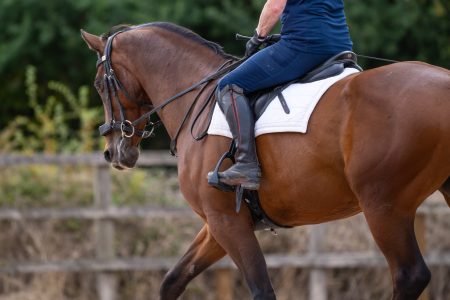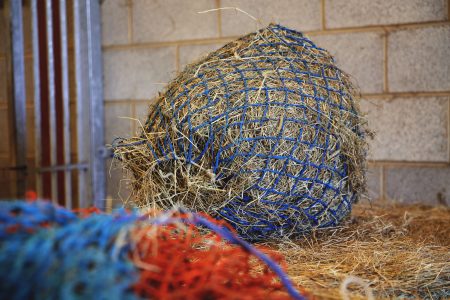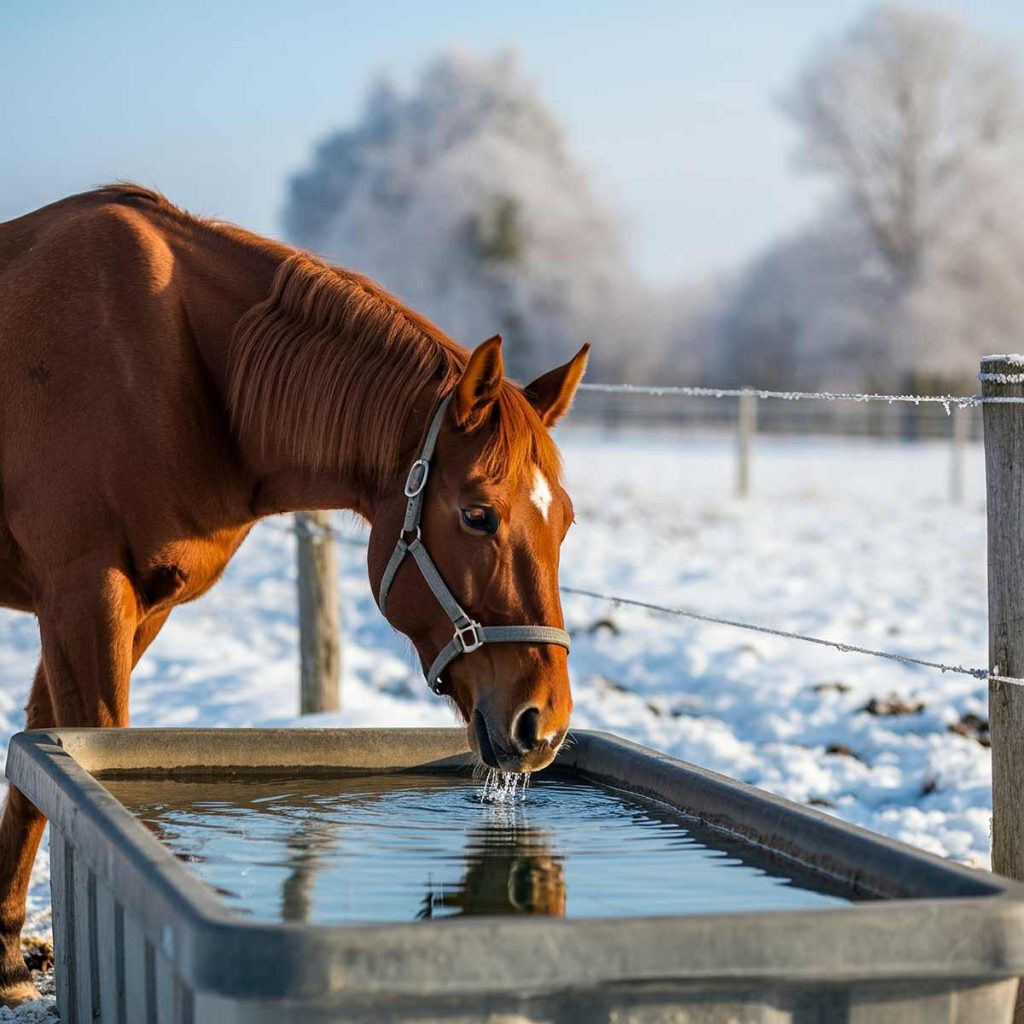
This winter in the UK has been unpredictable—unseasonably mild at times, yet dipping just below zero with the occasional frosty, icy morning. With such changeable weather, deciding which rug to use can be tricky. But one thing remains constant: hydration is just as important as ever.
Lower temperatures, frozen troughs, and changes in forage and feed can all reduce water intake, making horses more vulnerable to dehydration—even when it’s not hot outside. Keeping fresh water accessible and encouraging drinking is essential across all temperature ranges.
Water is critical to your horse or pony’s health and performance. With water being 70% of their body make-up. Ensuring proper hydration is essential and can help prevent associated issues, support healthy digestion and overall well-being throughout the cold months.
The tell-tale signs of dehydration include lethargy, depression, dullness in the eyes, dry skin and mouth, thick and sticky saliva, or darker looking urine.
In summer, horses often get a significant portion of their hydration from succulent, moisture-rich grass. In winter, when grass is sparse or frosty, that natural moisture disappears, yet the horse’s need for water remains.
Reduced water intake (for example because buckets freeze or because the water is very cold) combined with a diet rich in dry forage (like hay) can increase the risk of impaction colic, as dry feed passes through the gut less easily without enough moisture.
Winter also brings shorter daylight hours and colder, wetter weather, which means horses spend more time sheltered or stabled, reducing grazing time and natural water intake.
How Can You Encourage Winter Water Intake?
- Cold water, especially when it is icy, can be uninviting. In winter, aim to give stabled horses clean water that is just above freezing, or ideally at a tepid temperature. Some horses drink significantly more when water is warmer (not hot!)
- Use large, slow-to-freeze containers. Big water buckets or troughs freeze more slowly than small ones
- Check and break ice frequently; multiple times a day if needed. On frosty mornings, water sources can freeze overnight. As part of your daily checks, remove any ice to guarantee access
- Provide multiple water sources to avoid competition. If horses are kept in groups, a dominant horse might prevent others from reaching a single water point. Having extra buckets or troughs means every horse has a fair chance to drink
- Offer water around feeding times. Horses often drink significant amounts within one to two hours of eating, especially when consuming dry winter forage. Offering fresh water at mealtimes helps encourage intake when their thirst drive is naturally higher. Add some hot water to the bucket to take the edge off the coldness.
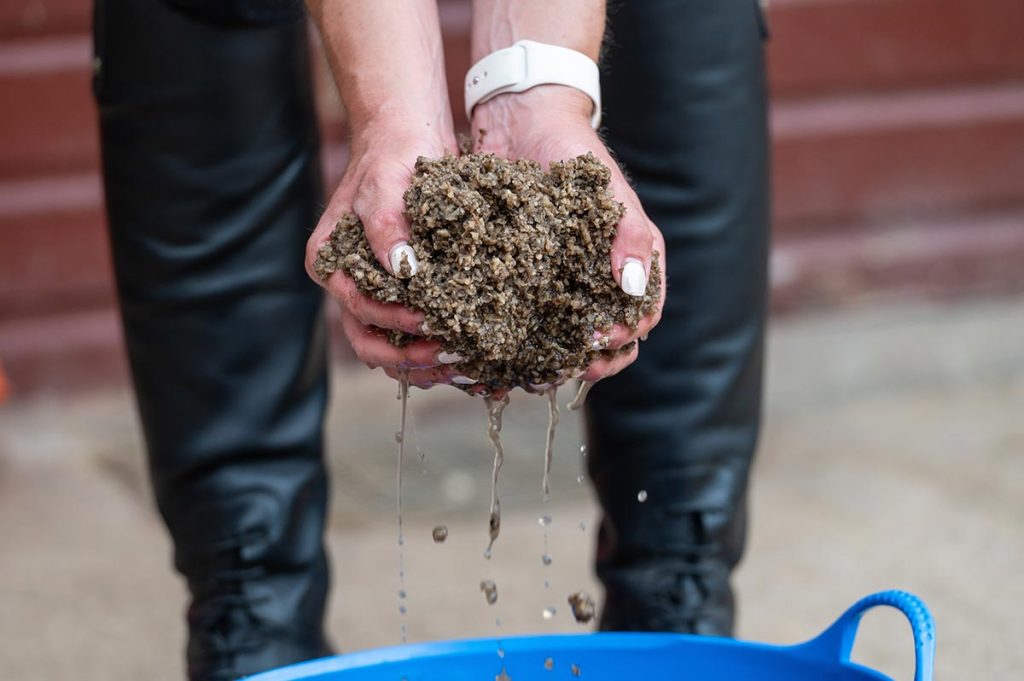
- Add moisture-rich feed or soaked fibre mashes, such as Speedi-Beet or Fibre-Beet. Since hay and haylage are much drier than summer grass, soaking hay (or feeding haylage where appropriate) can add extra moisture to their diet and help with hydration
- Provide free access to salt or a salt block. Salt encourages thirst, which encourages horses to drink more
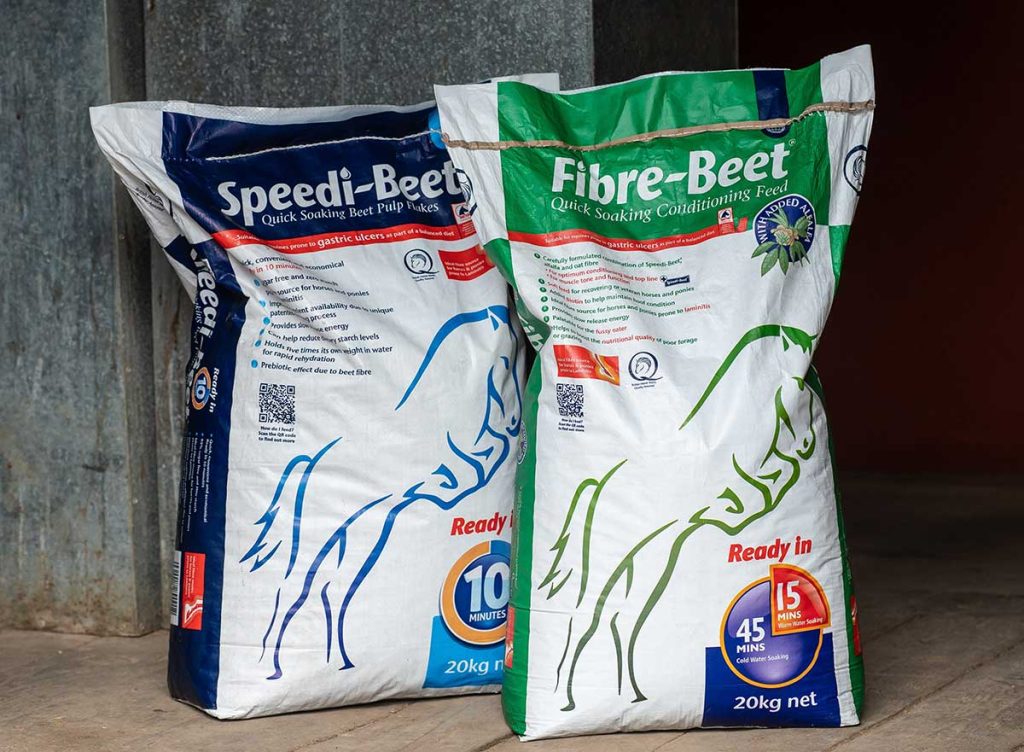
So, if you’re facing a lean hay season this winter, don’t worry! Speedi-Beet and Fibre-Beet are un’beet’able fibre alternatives to help maintain your horse’s essential daily forage intake of 2% of bodyweight to support a healthy gut function all season long.
A highly nutritious, quick soaking beet pulp feed with no added molasses, Speedi-Beet is the perfect feed for a hydrating and nourishing winter warmer. Speedi-Beet is able to provide a 500kg horse with up to almost half of its daily water intake when soaked as per instructions as well as providing extra energy, when made with warm water, it will increase hydration and keep your horse toasty warm, from the inside out.