


Feeding the Poor Doer
Caring for the Poor Doer Essentially feeding the poor doer is the opposite to feeding the good doer. A poor doer is described as a horse or pony that loses weight easily. There isn’t any…

Caring for the Poor Doer Essentially feeding the poor doer is the opposite to feeding the good doer. A poor doer is described as a horse or pony that loses weight easily. There isn’t any…
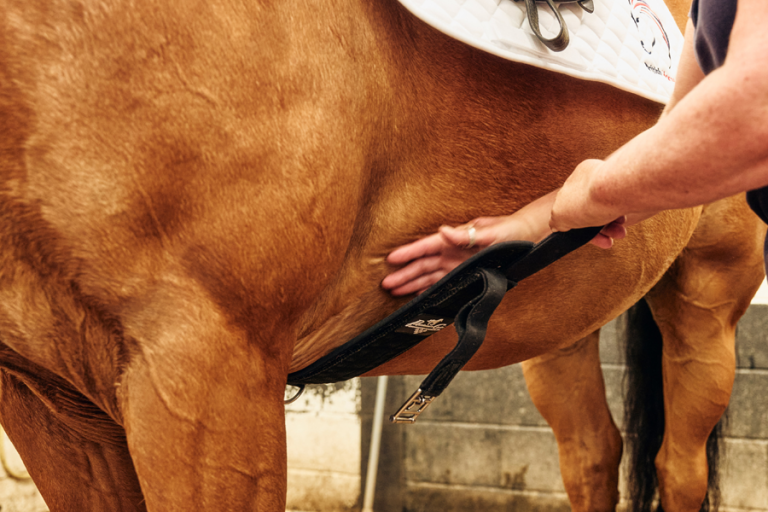
What Causes Gastric Ulcers? Gastric ulcers, also known as Equine Gastric Ulceration Syndrome (EGUS), are where an area in the stomach lining erodes because of gastric acid. Horses and ponies are hindgut fermenters, and the…
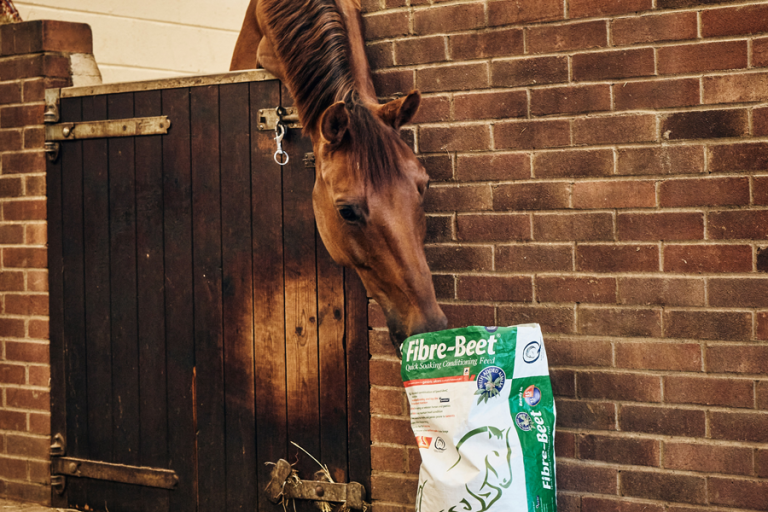
Reasons for Loss of Appetite Some horses and ponies can be incredibly fussy by nature and others seem to go off their food for no reason. This can be incredibly frustrating for owners, but in…
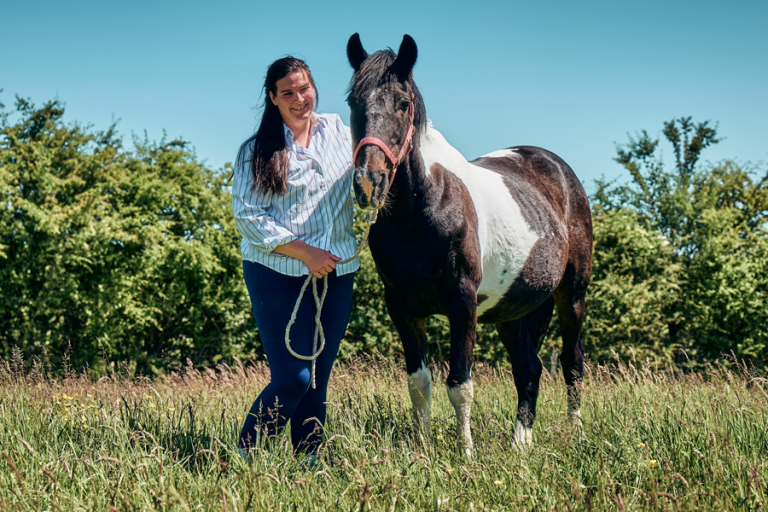
Without doubt today horses and ponies are living longer and into a ripe old age with many looking fit and well into their 30s. Thanks to expert nutrition knowledge, advancements in the veterinary world and…
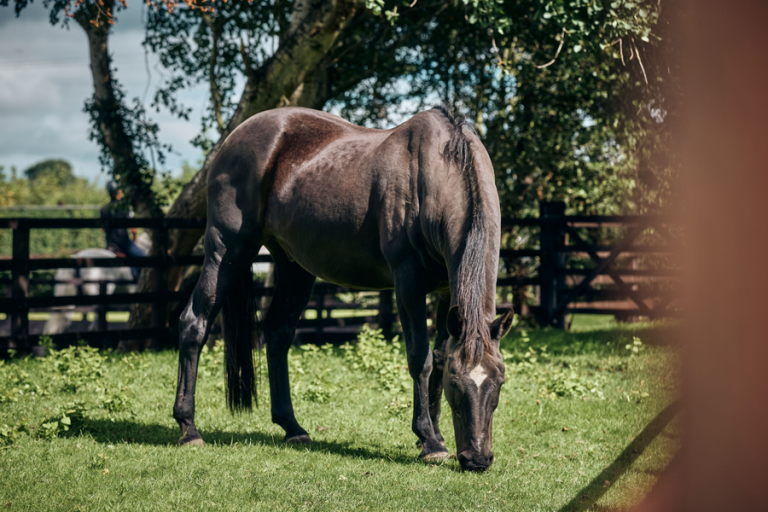
What Causes Cushing’s? Cushing’s disease (also known as Pituitary Pars Intermedia Dysfunction -PPID), is an endocrinopathic disorder (hormone dysfunction), mainly affecting older horses. A portion of the brain, the hypothalamus, loses its ability to inhibit…
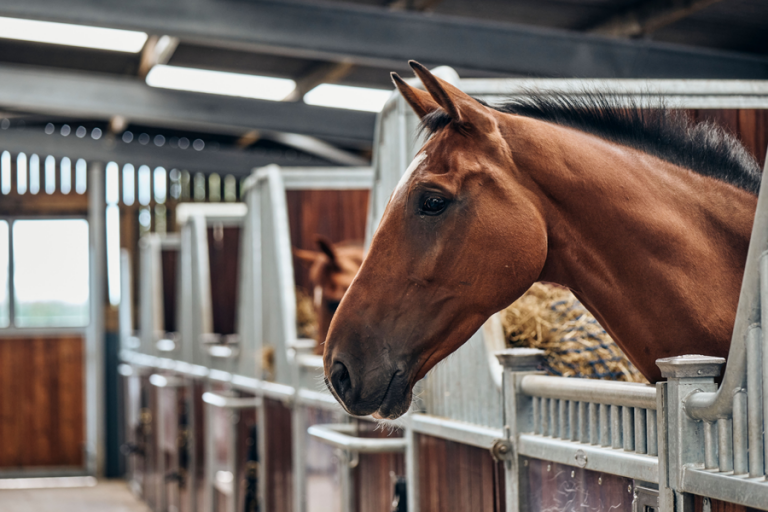
Colic can affect any horse or pony at any time and can range in severity from very mild to life threatening and causes abdominal pain. The condition can be categorised into four groups: A blockage…